Visitor management has evolved from simple sign-in sheets to a critical component of modern property security. Today’s systems offer real-time tracking, identity verification, and seamless integration with access control, helping properties stay secure without adding operational strain.
May 18, 2026
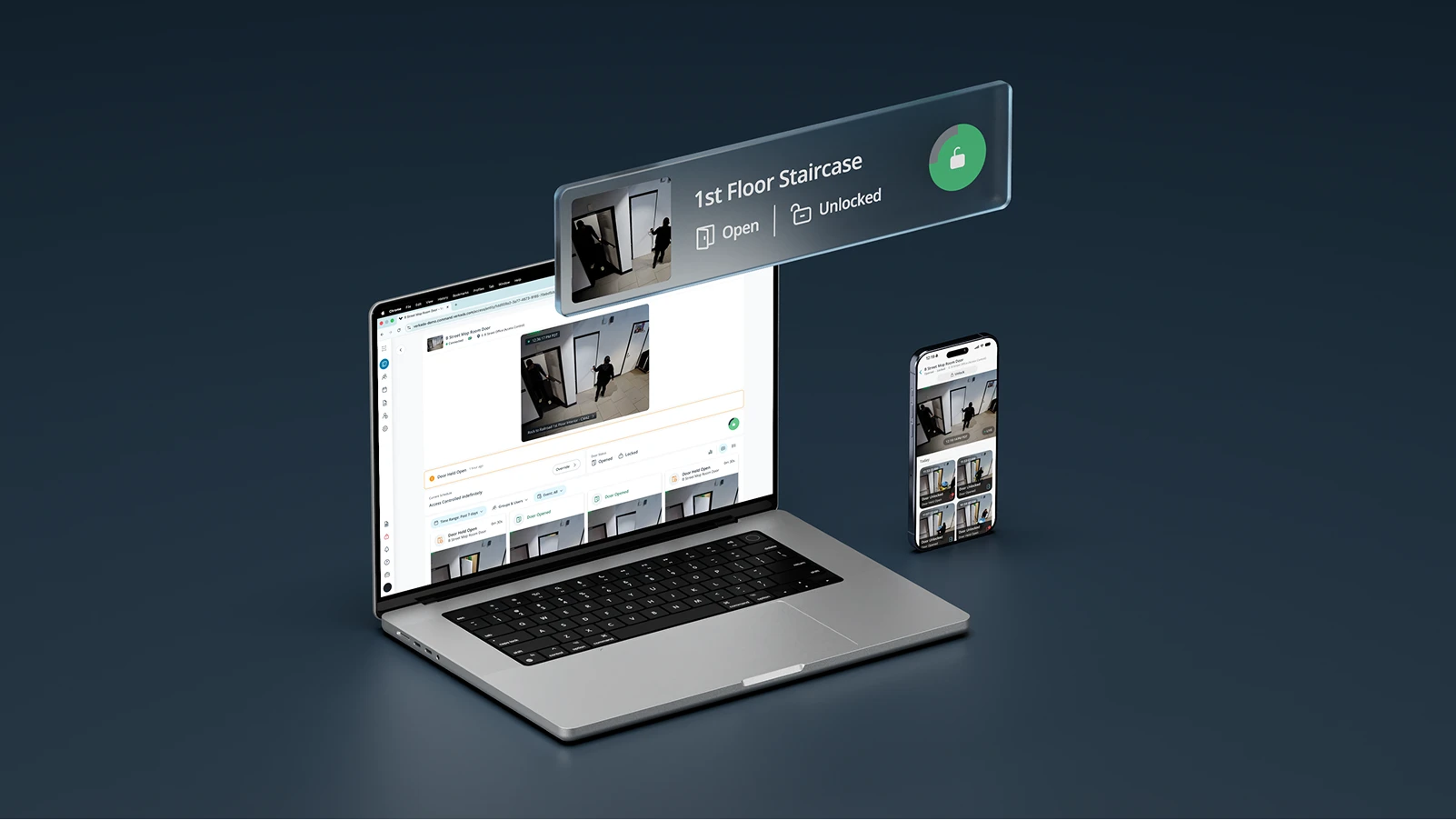
Managing who comes and goes from your property used to be a simple task— sign-in sheets, front desk logs, maybe a quick call upstairs. But today, with increased liability, higher resident expectations, and evolving security risks, that approach just doesn’t hold up.
Visitor management has become a critical part of a comprehensive security strategy, especially for multifamily communities, commercial properties, and mixed-use developments.
Manual or loosely managed visitor tracking creates gaps that are easy to overlook but costly to ignore.
Without a structured system, properties often face:
In high-traffic environments, even a single lapse can lead to larger security incidents.
Today’s visitor management systems go far beyond a clipboard at the front desk. They combine automation, visibility, and control to create a seamless and secure experience.
Key capabilities include:
This not only improves security, it also enhances the overall experience for residents and guests.
For property managers, the goal is simple: reduce risk without adding operational burden.
A modern visitor management solution helps:
It’s not just about preventing problems. It’s about running a more efficient property.
Moments like holidays, community events, and peak leasing seasons put extra pressure on your property’s security systems.
Without a clear visitor management process, these situations can quickly become chaotic.
Having a system in place ensures:
Visitor management is no longer a “nice to have”— it’s a foundational layer of modern property security. If you don’t know exactly who is on your property at any given time, you’re leaving gaps that can be exploited.
The good news? Fixing it is easier than you think.
A quick assessment can help identify where your current process falls short... and how to upgrade it with minimal disruption.
May 18, 2026